
Research
Here are a few specific areas we’ve focused on in the past, though we’re very broadly interested in exploring the idea that the brain and body act as one, integrated dynamical system to produce our subjective experience and behavior. We have also collaborated outside of our topical focus area, and would be happy to do so again (e.g., to share our methodological expertise).
Self-representation during motor control
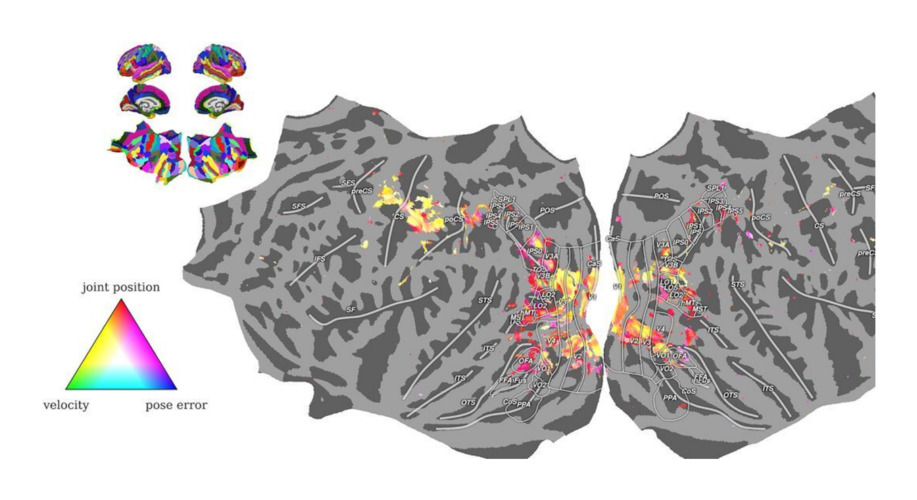
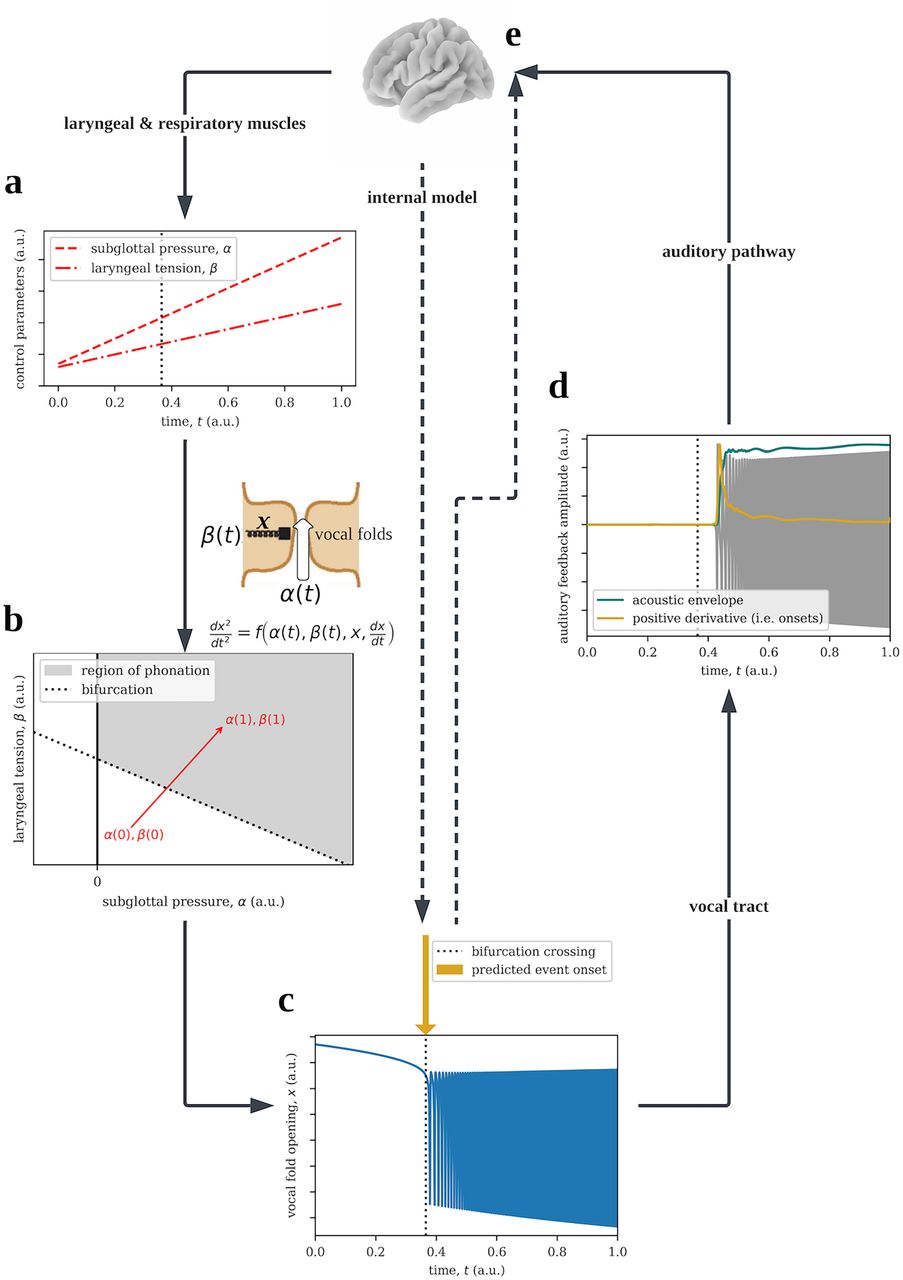
To effectively move your muscles, your brain needs to constantly monitor the state of the body, and it needs to know something about the body’s physics. We are interested in how people (and other organisms!) sense and represent the state of their body. Past research has focused on how we may exploit regularities introduced by the body’s biomechanics to link specific motor actions to their sensory consequences.
Conscious awareness of sensorimotor contingencies (i.e., the sense of agency)
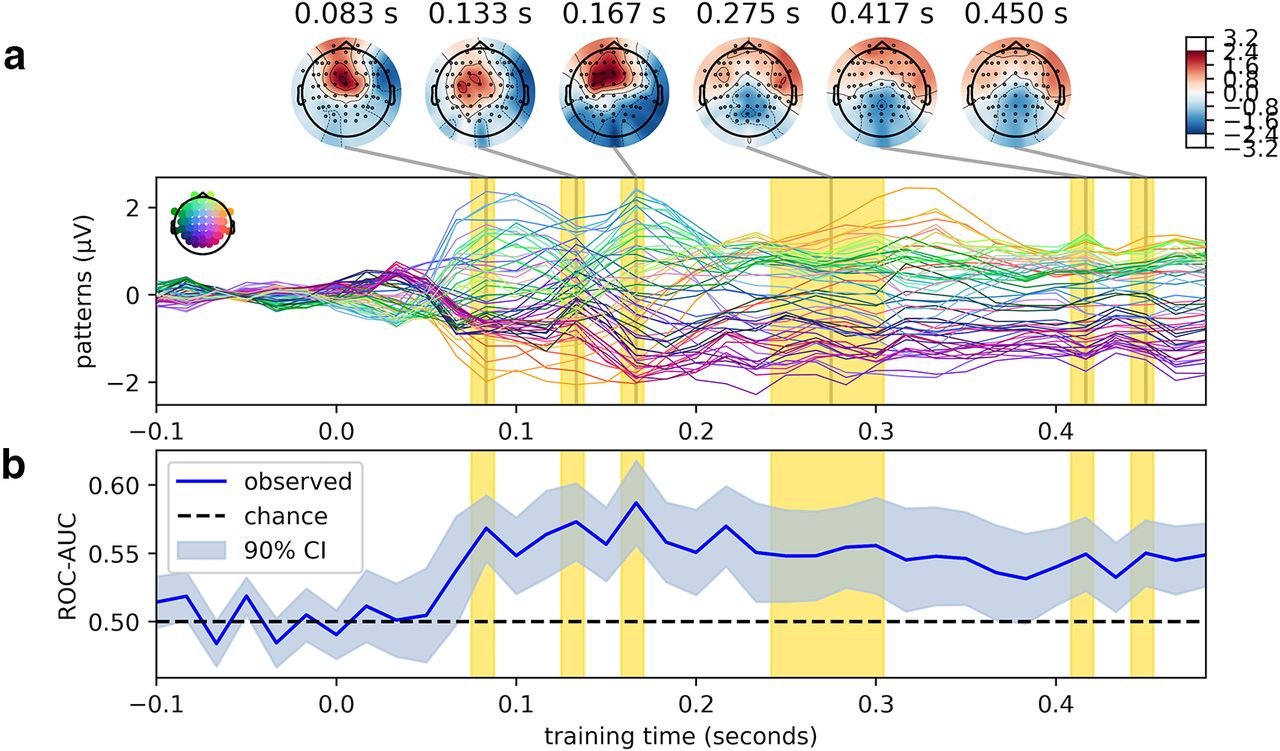
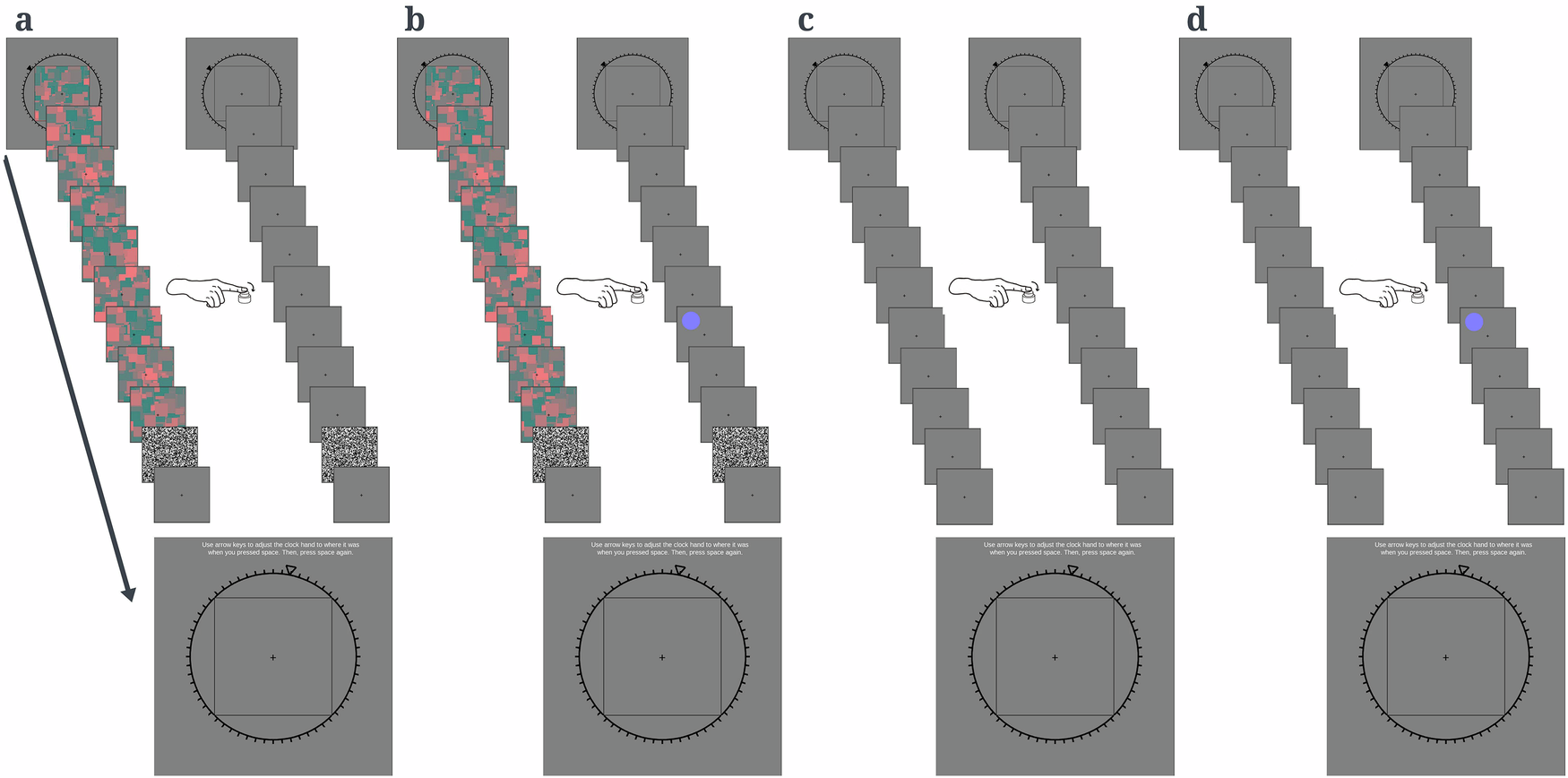
Our brain processes self-caused sensations differently from how it processes externally caused sensations, even if we’re not consciously aware we did anything at all. Sometimes though, we sense an event and feel “Hey, I did that!” That’s the sense of agency, and we’re interested in (a) when and why we feel it to begin with and (b) what makes this conscious self-recognition distinct from other types of action-outcome processing in the brain.
Influences of interoceptive sensory signals on exteroceptive perception
We’re all familiar with our exteroceptive senses: sight, hearing, smell, taste, and touch. Did you know there are also sensory receptors inside the body? These interoceptive senses and responsible for keeping the brain informed about what’s going in in the body’s other organs (e.g.. the heart, lungs, and gut). We’re interested in how interoceptive senses alter brain processes, and how those alterations affect our subjective experiences. A nice illustration: We’ve done some neat studies where participants may perceive the same physical stimulus (e.g., an image) totally differently depending on their heartbeat!

All
This publication list auto-populates from my ORCID profile, which I find doesn’t always catch new publications. The list on my Google Scholar profile may be a bit more complete.
2026
2025
2024
2023